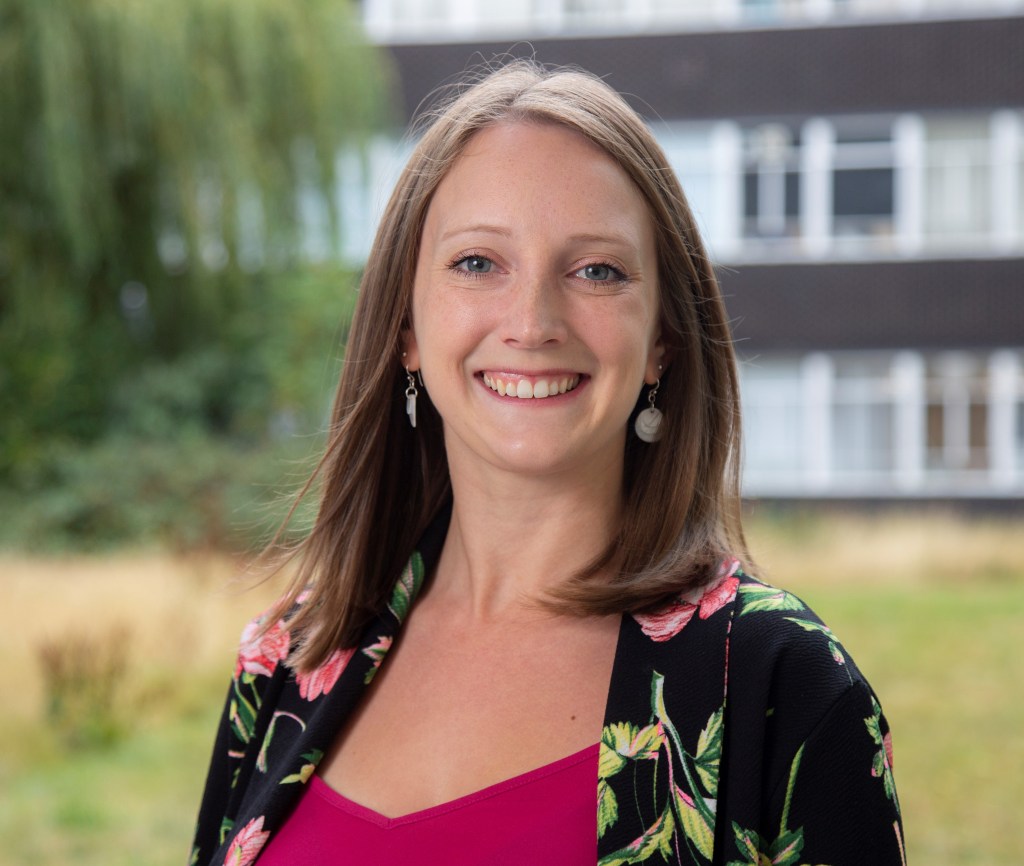
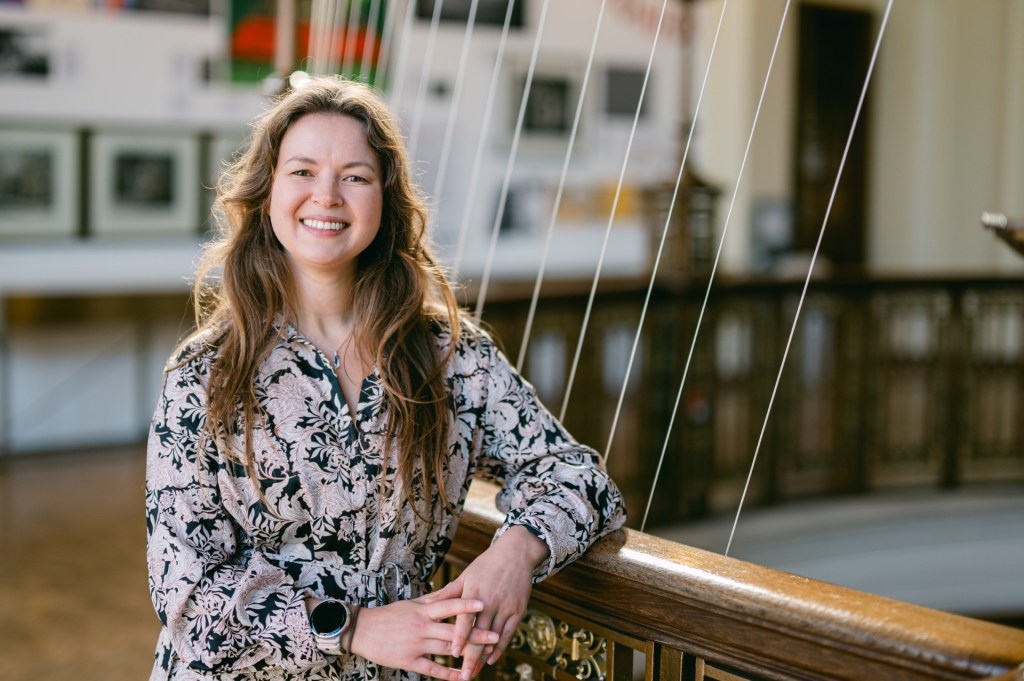
Dr Sophie Sowden-Carvalho is an Assistant Professor in the Centre for Developmental Science, School of Psychology, University of Birmingham. She is an experimental psychologist and co-director of the U21 Autism Research Network. Her research focuses on understanding social communication and wellbeing across the lifespan, with a focus on autistic and non-autistic adults. She also takes a cross-cultural approach with the aim of making her research more diverse and inclusive. As the programme lead for the School of Psychology’s newest MSc in Developmental Science and Neurodiversity, Sophie has an interest in understanding and improving the experiences of neurodivergent university students.
This piece grew out of the design of the MSc’s flagship Neurodiversity module, alongside Sophie’s Postgraduate Certificate in Higher Education and application for Advance HE fellowship. It uses the module as a worked example of stakeholder co-production: community members with lived experience of neurodivergence helped design and deliver the formative assessment and feedback. The aim was for a module that trains students to think from a lived experience perspective to build lived experience and inclusive principles into its own assessment and feedback. Although the cohort is small, end-of-module student satisfaction and performance data support the approach’s initial success. For educators, the example shows how a panel of people with lived experience can help shape and deliver formative feedback, building accessibility into assessment from the outset rather than relying only on individual accommodations afterwards.
More information and download
For more details and to download the article go here.
Previous articles and issues
View all articles and issues of Education in Practicehere.
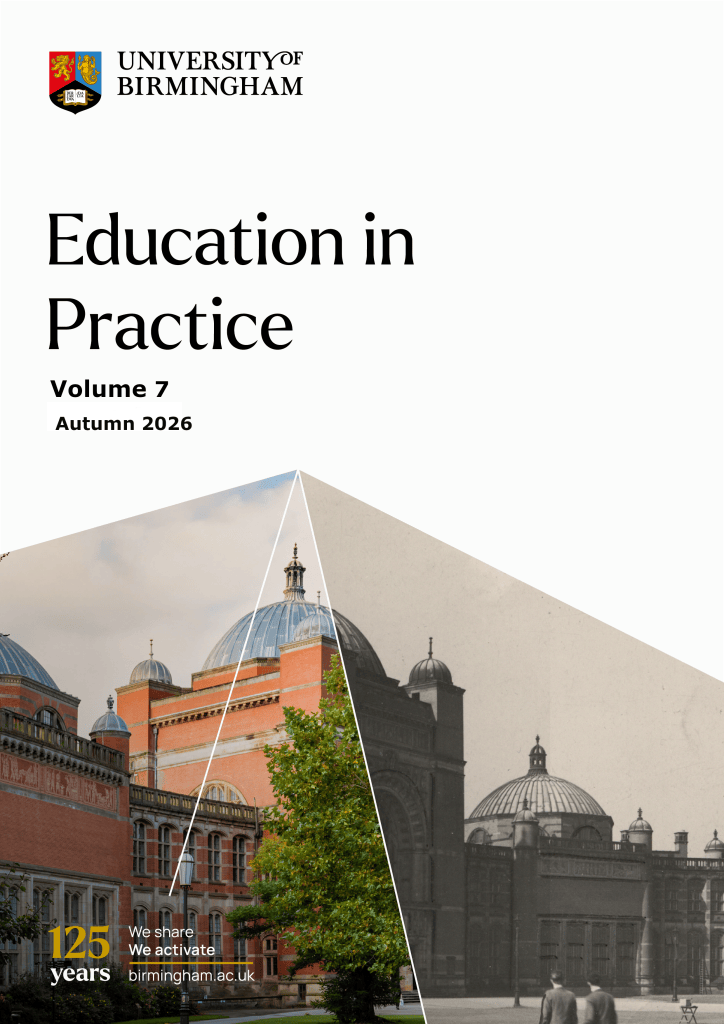
Volume 7 of the Education in Practice journal has just been published (ACCESS HERE). This volume includes papers published during the 2025-26 academic year on a ‘rolling’ basis on our website and reflect a wide range of scholarship carried out at the University of Birmingham, ranging from individual case studies of local practice to investigations of systems and wider practice. As is the purpose of our journal, our contributors are often at the start of their scholarly journeys, and some of their work has been developed as part of CPD programmes offered at our institution.
In the collection of papers for this issue, there is a strong emphasis on inclusive practice, with pieces focusing on neurodiversity, awarding gaps, emotions of learning, disability inclusion, and mental health. This perhaps demonstrates that a strong attention to the human dimensions of education has become an even more pressing priority in the age of artificial intelligence.
Although AI is not going to disappear from our lives any time soon, there seems to be an urgency in its use within sustainable and ethical frameworks, and in a way which accentuates human capabilities, especially that of critical thinking, the topic of a paper included in this volume.
Three further papers in this volume were developed out of a ‘capstone’ PGCHE assignment, and focus on the topics of neurodivergence (Qamar Natsheh and Rickson C. Mesquita), Disability (Katharine Wheetman), and the awarding gap (Dean PJ Kavanagh). We are also pleased to include Piyali Bhattacharya’s paper on supporting diverse PG learners as this piece sprang out of a fellowship application on our Beacon Scheme. This demonstrates a culmination of the principles driving the Educational Development Team and our portfolio of support for scholarship through our CPD programmes, our Education Research and Scholarship Network, and EPF project funding – namely that it seeks to embed evidence-based practice and scholarly approaches into all aspects of its work, and connect the dots between such CPD programmes and scholarship is the natural outcome of this principle.
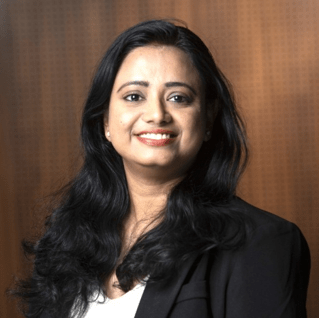
Piyali Bhattacharya is a Teaching and Research Fellow at the School of Psychology, University of Birmingham, and has recently completed her PhD. Her research focuses on clinical and developmental psychology with special interest to mental health and neurodiversity. Alongside her research, Piyali has been involved in designing and leading a postgraduate Digital Mental Health module for a distance-learning MSc programme. Piyali is deeply committed to inclusive education, particularly in relation to supporting diverse and international postgraduate learners. This case study emerged from an application for Advance HE fellowship via our Beacon Scheme. Piyali reflects below on her practice and her journey through teaching, designing the module, and achieving recognition as Fellow of Advance HE.
When I took on the role of module lead for the Digital Mental Health (DMH) module of our distance-learning MSc programme, I knew I was stepping into a beautifully complex space. Our student cohort is a global tapestry: working professionals, mature learners, and international students living across multiple time zones, all bringing vastly different academic cultures and digital confidence levels to the table. Many students balance study with professional roles, and family responsibilities. Traditional, rigid, hour-long lectures simply weren’t going to cut it and would not be enough to support meaningful learning in this context. Instead, the challenge and opportunity was not simply about moving teaching online. It was about designing a learning environment where students from different backgrounds felt included, supported, and able to engage critically with the subject matter.
This case study emerged from that exact pivot point. The module was designed moving away from transmissive, “one-size-fits-all” teaching toward an, inclusive, flexible, and culturally-responsive digital architecture. I wanted to build a virtual space where student diversity wasn’t just a logistical challenge to be managed, but a rich pedagogical asset within the learning process.
Bringing global realities into the classroom – the case study at a glance
This case study highlights how inclusive, student-centred online design can empower diverse learners to bring their own cultural contexts and lived realities into their learning. By intentionally moving beyond a Eurocentric lens, students engage more critically and authentically with the material. The approach fosters deeper engagement, meaningful collaboration, and a shift from passive learning to active knowledge co-creation, even within an asynchronous environment
Want to see how this was achieved? Download the full paper here to explore the full framework, strategies, and outcomes.
The Beacon process: moving from practice to recognition
While the module’s initial run was a success, reflecting on it through the lens of the Beacon Advance HE Fellowship application process was what truly solidified its value for me. Engaging with the Professional Standards Framework provided a structured opportunity to pause, step back and critically examine the ‘why’ behind my pedagogical choices, linking my practice to evidence-informed principles and identifying areas for further development. . Through this, I gained a much clearer articulation of my teaching philosophy and a greater confidence in my identity as an inclusive educator, prompting more intentional reflection on how teaching evolves through feedback, collaboration, and ongoing inquiry. It allowed me to see that the empathetic, scaffolded structures I built weren’t just “good ideas”, they were robust, evidence-grounded frameworks that empower non-traditional learners to thrive.
Beyond personal growth, the Beacon process provided a platform to make these teaching innovations visible. It pushed me to share this work with the wider educational community. and contribute to broader conversations about inclusive online learning in higher education.
This experience ultimately reinforced an important lesson: digital education is most effective when it remains deeply human. Even within online spaces, students want to feel seen, supported, and connected. Designing with empathy, accessibility, and inclusion in mind not only enhances engagement and performance but also strengthens students’ sense of belonging. It also highlights the idea that inclusive education is not a one‑time intervention, but an ongoing, reflective practice.
I hope this case study contributes, in some small way, to ongoing conversations about how we can create more inclusive, thoughtful, and globally responsive approaches to digital education. I hope it offers reassurance that inclusion does not always require large-scale technological innovation. Often, it begins with intentional design choices: creating flexibility, valuing students’ lived experiences, building opportunities for connection, and enabling learners to apply knowledge in meaningful and authentic ways.
More information and download
For more details and to download the article go here.
Previous articles and issues
View all articles and issues of Education in Practicehere.
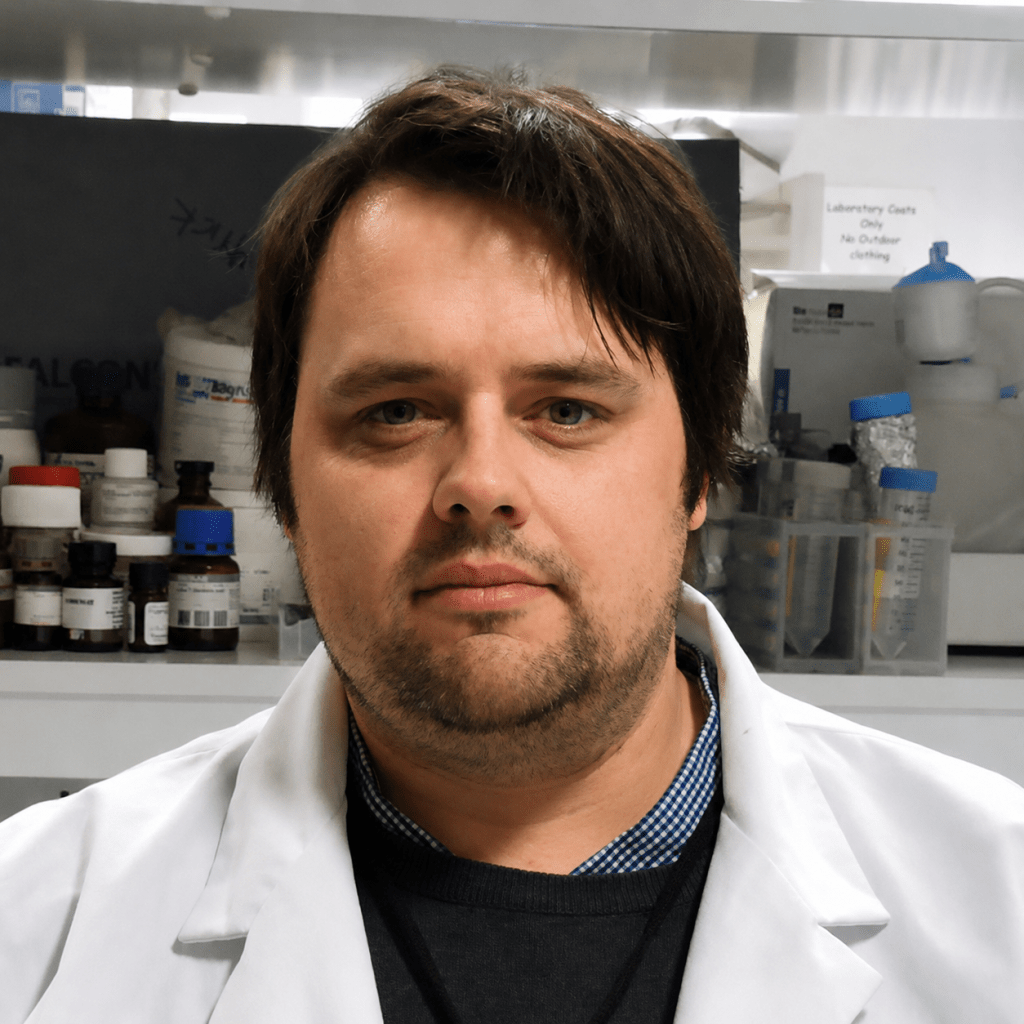
Dr Dean Kavanagh is an Assistant Professor of Cardiovascular Science in the School of Medical Sciences at the University of Birmingham, where he teaches across Biomedical Science and Medical Education. Alongside his research in cardiovascular science, he has an interest in assessment, student progression and educational equity in higher education.
This article, initially conceived as part of a PGCHE final assignment, examines the limitations of the awarding gap as a measure of educational inequity in higher education. It argues that binary end-point metrics, such as the proportion of students achieving a “good degree”, can obscure important differences in student progress, prior attainment, continuation, and institutional context. The article makes the case for moving beyond awarding metrics alone and towards more granular progress measures that help universities identify where inequity emerges and where meaningful intervention is possible.
More information and download
For more details and to download the article go here.
Previous articles and issues
View all articles and issues of Education in Practicehere.
We speak to Dr Evelyn Svingen, Assistant Professor in Criminologyat the Department of Social Policy, Sociology and Criminology at the University of Birmingham. Evelyn recently publsihed the findings of an education enhancement project in the journal Nature: Humanities and Social Sciences Communications, which represents global recogntion for her scholarship and education research work.
Dr Evelyn Svingen
Evelyn, congratulations on the publication of your paper in Nature Humanities and Social Sciences Communications in January! It is fantastic to see that the good work you have done is recognised and disseminated in this way.
Firstly, can you talk to us about the project itself? What was it about?
There were quite a few different facets to the project. In my day-to-day practice, I teach criminological theory which I am very passionate about in my research activity too, and I find it one of the hardest things to teach well. Students are effectively being asked to do a crash course in biology, psychology, sociology, epistemology and then somehow pull all of that together to explain criminal behaviour. But that ability to think interdisciplinarily is central if you’re going to make sense of crime in any meaningful way.
A big part of the project came from me constantly wondering how we can better support students to do that kind of intellectual work, rather than just asking them to memorise theories. Alongside that, there was an important collaborative element with the Science and Fiction Lab at Florida International University (FIU). Together, we created a self-guided activity that deliberately pushed students into what we’d call radical interdisciplinarity by asking them to engage with a module on the physics of an MRI machine with supernatural fiction. The idea was to get students comfortable moving between very different ways of knowing, and to see whether that kind of extreme interdisciplinary engagement would then make it easier for them to tackle the more familiar but still challenging strands of criminology, like psychology, biology, and sociology.
Can you please elaborate on the funding and support you had to help you carry out the project?
While the teaching theory is part of my everyday activity at the university, and the collaboration with FIU was funded by the National Science Foundation, it was very hard for me to assess the impact of my teaching practice on students without additional funding. While I could conduct focus groups myself, I felt like my presence in the room would affect students’ answers to my questions!
Therefore, the funding I received from the University of Birmingham’s Education Enhancement Fund (EEF) was crucial in allowing me to hire research assistants and to incentivise students to participate in focus groups with shopping vouchers.
What would you say is the biggest impact of your project on your students?
I think the biggest impact of introducing students to the self-guided activity was that it gave them permission to sit with complexity rather than panic about it. Criminological theory can feel overwhelming because there’s no single “right” explanation of crime, and students often feel like they’re failing if they can’t immediately reconcile different perspectives. What this project seemed to do was help them become more comfortable moving between ideas, even when those ideas didn’t line up neatly. So the biggest impact wasn’t just content knowledge, but a shift in how they approached learning and uncertainty more generally. Essentially, I wanted to make students get more comfortable being uncomfortable!
What was the impact on you and your colleagues?
For me and my colleagues, one of the biggest impacts was simply getting to hear directly from students about how they experienced the activities. That kind of feedback is invaluable you can design something with certain intentions in mind, but it’s only by listening to students that you really find out what landed, what didn’t, and whether there were affects you hadn’t anticipated. It was really reassuring, and often quite inspiring, to see how they engaged with the material and how it shaped their thinking.
Another important impact was being able to bring two of my GTAs on the module into the project as research assistants. That gave them the chance to move beyond delivery and marking and into thinking more deeply about pedagogy, evaluation, and reflective practice. Watching them develop that awareness of how teaching choices connect to student experience was one of the most rewarding parts of the project, and it’s something that will feed back into their own teaching going forward.
What were some unintended positive outcomes?
The paper for one! Being able to share my research with the world and seeing how valuable the reviewers found it made me a lot more connected to the pedagogical activity around the world and interdisciplinary education! It really reinforced that these teaching experiments matter beyond our own classrooms, and that there’s a genuine appetite for this kind of work. That sense of being part of a wider, international conversation around teaching and learning was an unexpected but really motivating outcome of the project.
How about lessons learned?
I think the biggest lesson for me was realising just how capable students are of dealing with complexity, as long as you give them the right scaffolding and permission to explore. Pushing them into quite radical interdisciplinarity felt like a risk at first, but it made them more confident when they returned to the more familiar parts of criminology.
As a lecturer, I often see a tendency to over-simplify material or to rely on “easier” language to make things feel accessible, and I don’t fully agree with that approach. Some problems really are complex, and I think we need to be honest with students about that rather than offering a false sense of security by implying that one type of explanation is enough. I’ve been teaching this module for four years now, and every time I’ve raised the level of challenge, students have met me exactly where I hoped they would. Seeing that happen and watching them rise to the challenge every year is an amazing feeling.
In the past you engaged with the HE Research and Scholarship Network that is run by the Educational Development team, and published in our institutional journal Education in Practice. How did these interactions help in your progress?
Those interactions were hugely important for me. I’ve written two articles for Education in Practice and presented three times at the Educational Excellence Conference, and all of that gave me a safe and supportive way into a new area of research. It can feel quite daunting to step into pedagogical scholarship for the first time, but that network made it feel welcoming rather than risky.
What really stood out was being surrounded by people who were genuinely passionate about making a difference in their teaching and who were driven by genuine curiosity and care. That was incredibly inspiring. It also reminded me that the biggest impact we can probably have in the world is through our students, and I love being in spaces with colleagues who care deeply about that and about their work.
What advice would you give to someone who is just starting out thinking about HE innovation, scholarship, research and dissemination?
Honestly, it’s the same advice I give my students on the module: go for it, explore, and don’t be afraid to take risks! You don’t need to have everything perfectly worked out before you start, and you shouldn’t wait until something feels completely “safe” to try it.
I’d also say start from your own practice. The most meaningful projects usually come from real questions about what you’re doing in the classroom – what’s working, what isn’t, and what you’re curious about. If you stay close to that, the scholarship tends to grow quite naturally. And, just like with students, having the confidence to sit with uncertainty and experiment a bit is often where the most interesting and impactful work comes from.
How does this practice improve your work with students?
It makes me much more attentive to how students are actually experiencing what I’m teaching, rather than just focusing on what I intend to teach. Engaging in this kind of reflective practice forces you to slow down, listen properly, and think about how different students are making sense of complex material. That, in turn, makes my teaching more responsive and more honest.
And what are some challenges or barriers to scholarship/research into education?
I think one of the biggest challenges is time. Educational scholarship often sits on top of already very full teaching and administrative workloads, and it can be hard to carve out space to reflect, analyse, and write properly. There’s also sometimes a perception that pedagogical research is “less serious” or less valued than disciplinary research, which can make people hesitant to invest in it.
Another barrier is confidence. A lot of people are doing really thoughtful, innovative things in their teaching but don’t see it as research or don’t feel qualified to write about it.
What inspires you most about your work?
What inspires me most is seeing students surprise themselves. Watching someone realise they can handle complexity, make connections they didn’t think they were capable of, or start asking much deeper questions than they thought they could, that’s incredibly motivating. Those moments remind me why this work matters.
I’m also really inspired by working with people who genuinely care about what they do, whether that’s students, colleagues, or collaborators from completely different disciplines. Being around that kind of curiosity and commitment, especially when it’s driven by wanting to make a difference rather than ticking boxes, is what keeps the work exciting for me.
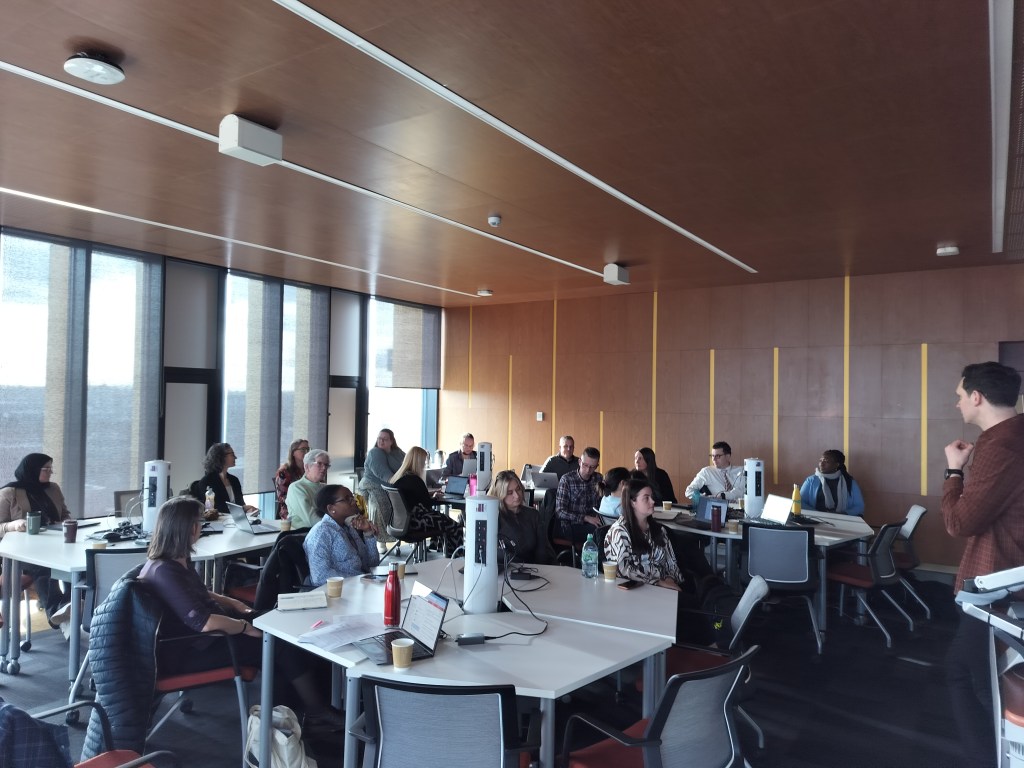
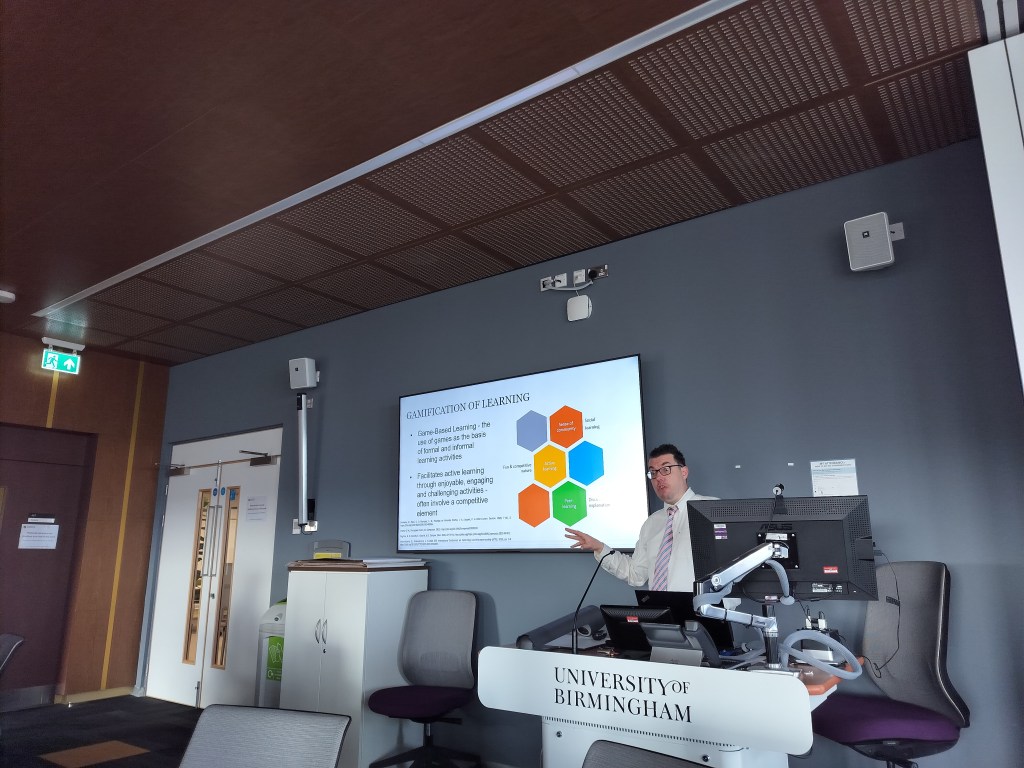
On 28 January 2026, we had the pleasure of hosting a forum for project leaders. The forum brought together leaders of institutionally-funded enhancement projects through our Education Enhancement Fund, and many practitioners who were keen to engage in dialogue around the themes and topics discussed.
The programme for the day included:
Dylan Williams (School of Chemistry)Lab Escape – The Development and Evaluation of a Novel Escape-Room Based Laboratory Induction Activity
The aim of this project was to design, develop, deliver and evaluate a laboratory-based escape room that could be used as a laboratory induction activity in future academic years.
Matt Keith (School of Chemical Engineering) Understanding Attendance Reduction in Chemical Engineering Courses.
This project sought to understand why student attendance of taught components of the chemical engineering course were generally good at the start of semester one, but decreased rapidly towards the end. It also investigated the influence of this attendance on grades obtained.
Helen Hook, Eleanor Cull and Matt Edwards (Careers Network) Two projects as follows:
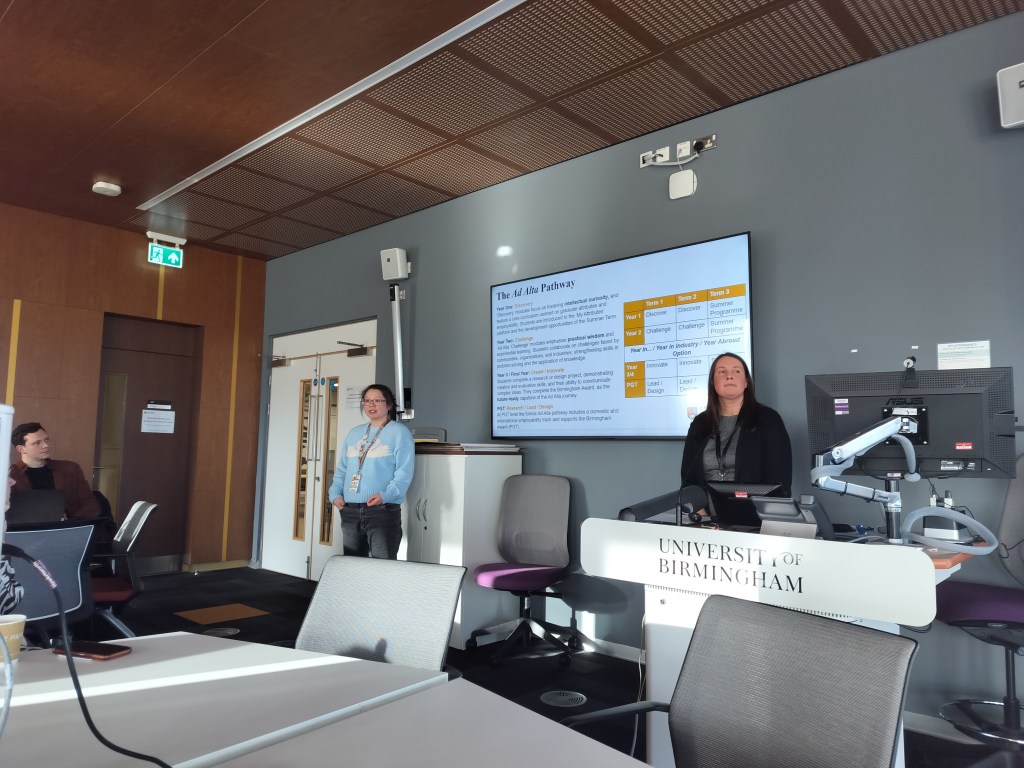
Ad Alta: Evaluation Framework: Careers Network in collaboration with The School of Biosciences and The Academic Registrar’s Office).
Launching a university-wide curricular initiative presents an opportunity to capture valuable data. Taking a data informed approach prior to institution-wide roll out, will provide a benchmark for the development of an evaluation framework for all Ad Alta pathway modules.
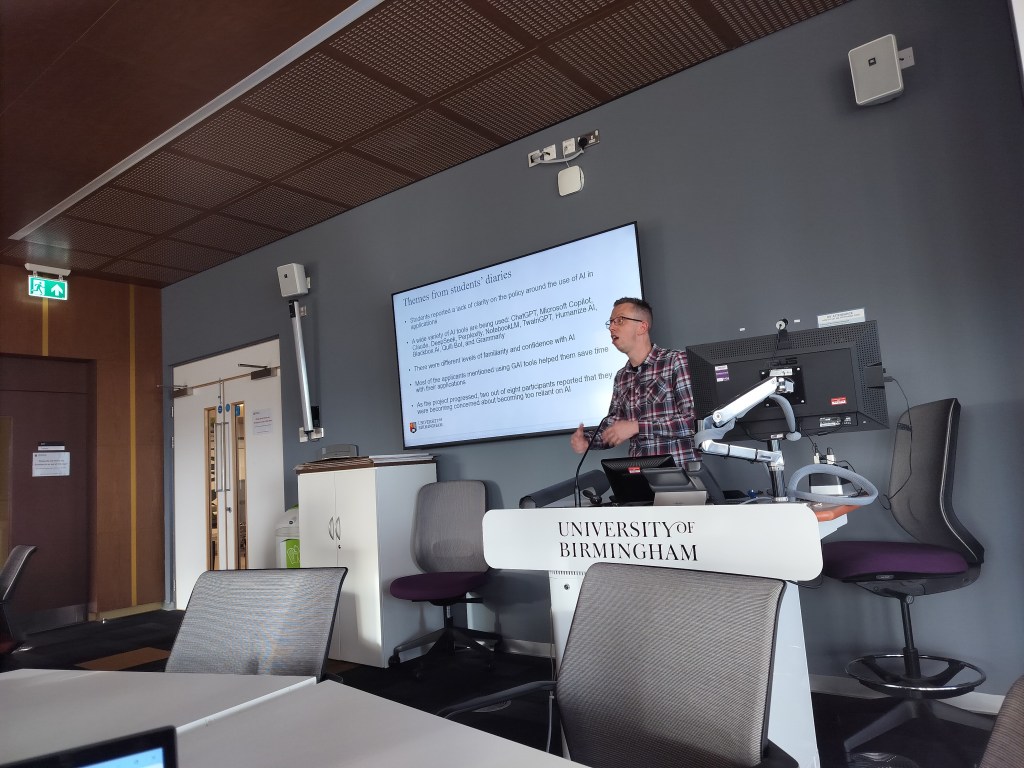
‘Enhancing Graduate Attributes in a GAI enabled world’ (CP. Ph1 &2) (in conjunction with colleagues Sarah Montano, Simone Clewes, Natalie Partridge, Sarah Percy, Labib Islam.
This commissioned project aimed to develop our understanding of the evolving impact of Artificial Intelligence (AI) on the employability landscape. The project explored how students navigate both the challenges and opportunities presented by AI, particularly in recruitment contexts, and how they mightmake skilled, ethical use of Generative AI (GAI) tools. The project also mapped AI/GAI-related skills to the University’s Graduate Attributes, helping to ensure that students are equipped with the skills and attributes needed to thrive in a rapidly changing world..
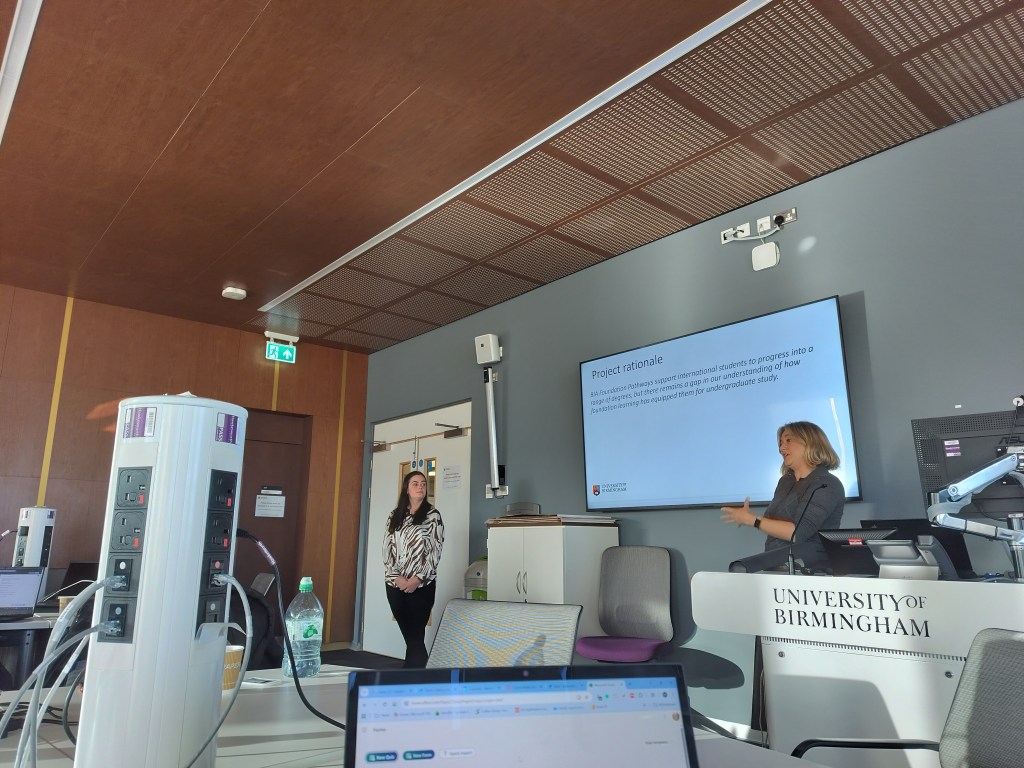
Hannah Ryan and Sarah Parry (Birmingham International Academy)‘Strong roots, strong wings’: understanding the ‘foundation’ in foundation level through the student learning journey’
This new project aims to support students to develop essential academic, employability and transferable skills for progression into their undergraduate degree programme, with a particular focus on oracy as a core skill for language learning, student confidence, inclusive learning and integration into degree programmes and beyond.
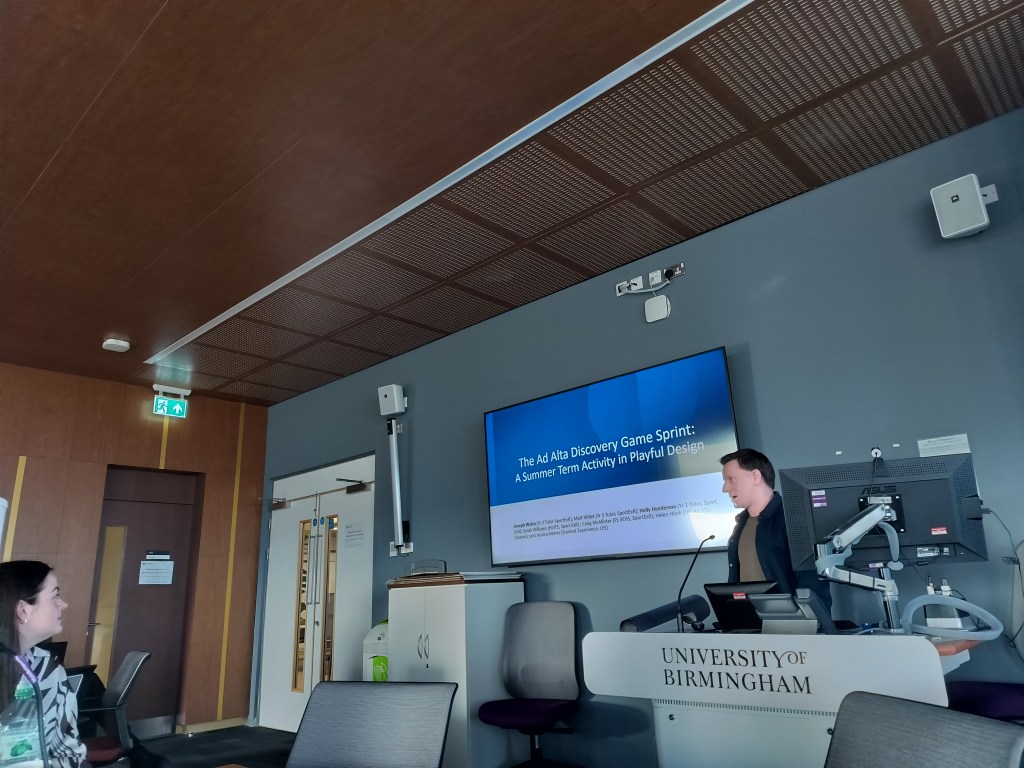
Joseph Welch (Sportex, CN and LES)The Ad Alta Discovery Game Sprint: A Summer Term Activity in Playful Design
This project will fund a student-led, one-week summer design sprint to co-create Ad Alta Discovery Games.
Event gallery
Attendees to the project leaders’ forum on 28 January 2026Dylan WilliamsMatt Keith Matt Edwards Helen Hook and Eleanor Cull Hannah Ryan and Sarah ParryJoseph Welch
Our latest paper is a study of using Generative AI with undergraduate students to support the development of critical thinking, as well as further the knowledge of GAI itself.
Our author, Catherine RE Lawler, is a microbiologist who works at the Department of Biomedical Science, College of Medicine and Health, University of Birmingham. In this paper, Catherine argues for the thoughtful design and implementation of GAI-related activities to enhance learning outcomes.
For more details and to download the case study go here.
Previous articles and issues
View all articles and issues of Education in Practicehere.
This is part of a series of posts celebrating the champions of our institutional Advance HE fellowship recognition scheme, Beacon. Beacon has awarded more than 1000 fellowships since its launch in 2015. Beacon is led by Marios Hadjianastasis and Jamie Morris.Advance HE have recently helped us celebrated these milestones on their blog (link).
We spoke to Dr Mehran Eskandari Torbaghan SFHEA, a Lecturer in Infrastructure Asset Management in the Department of Civil Engineering, School of Engineering, at the University of Birmingham. Mehran successfully completed our PGCert course which awarded him FHEA, and went on to achieve SFHEA through the Beacon recogntion scheme. Mehran is a Beacon champion and volunteer, mentoring applicants and helping as an assessor. Here we focus on Mehran’s work as an assessor.
Why are you a Beacon assessor?
I enjoyed my time as a PGCert student and later as a Beacon applicant. This is an opportunity to give back, to hope for a positive impact on our teaching and learning community.
What do you find useful/interesting/beneficial in doing this work?
Learning about new teaching practices. I also get motivated by readying successful and impactful teaching practices.
How do you balance this work alongside your main role responsibilities?
By only accepting the number of applications for which I would have time.
If you are also a mentor, how do these roles help you promote Beacon in your context and wider team?
Mentorship for me is even more important and enjoyable than the assessing part as it is an opportunity to meet and know new people and to learn from them while promoting Beacon as a way of reflecting on our teaching journeys.
What was a ‘warm-glow’ moment for you?
Hearing from my colleagues that they also enjoyed the process.
How have Beacon applications changed over the years? Think especially since the first time you assessed, or perhaps compare UKPSF 2011 to PSF 2023…
My feeling is that it has evolved to a less academic, i.e., with less emphasis on the literature, to being practical while it has also become easier to navigate for academics from other disciplines rather than education.
Tell us one thing you learned the last time you assessed a Beacon application
How a lab technician teaches autopsy in medical school 😊but seriously how to make an extreme teaching environment inclusive.
A final thought
I cannot think of anything rather than your hard work to brings academics together and to have Beacon running. Thank you very much for all your hard work.
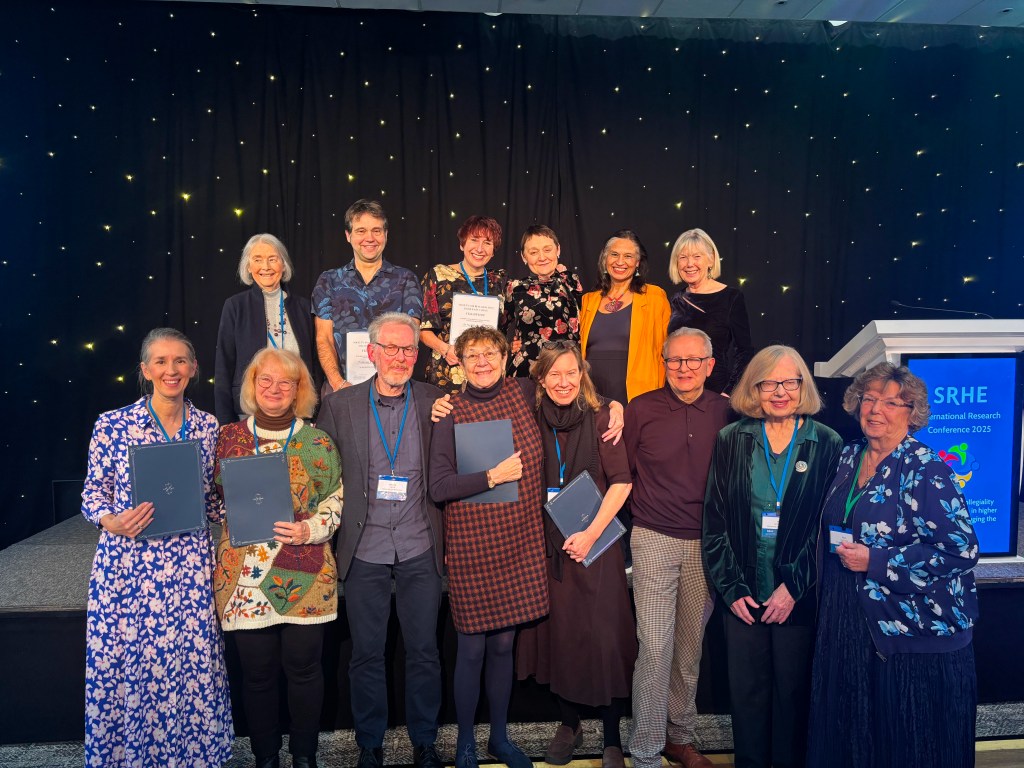
At the last international conference of the Society for Research Into Higher Education in December, our colleague Prof. Sarah Montano of the University of Birmingham Business School was awarded the prestigious Fellowship of the Society, alongside other important contributors to research in HE over the decades, such as Gerlese Akerlind, Paul Ashwin, Sue Clegg, Heidi Safia Mirza and Celia Whitchurch among others. This was a great honour, and recognition of Prof. Montano’s contribution to scholarship and research into higher education, and evidence-based practice which positively impacts student outcomes. Join us in congratulating Sarah.
In this piece, Prof. Montano reflects on her journey and specifically this recognition.
I was humbled and honoured to be awarded an SRHE Fellowship at the Conference in December. I am privileged to be part of a community that is committed to advancing educational practice. SRHE is special to me as when I came back into academia, I was warmly welcomed and supported by SRHE members. This is not just a personal achievement, it is testament to the brilliant educational innovations happening across the University. I was delighted that there to share the experience were my wonderful university and school colleagues.
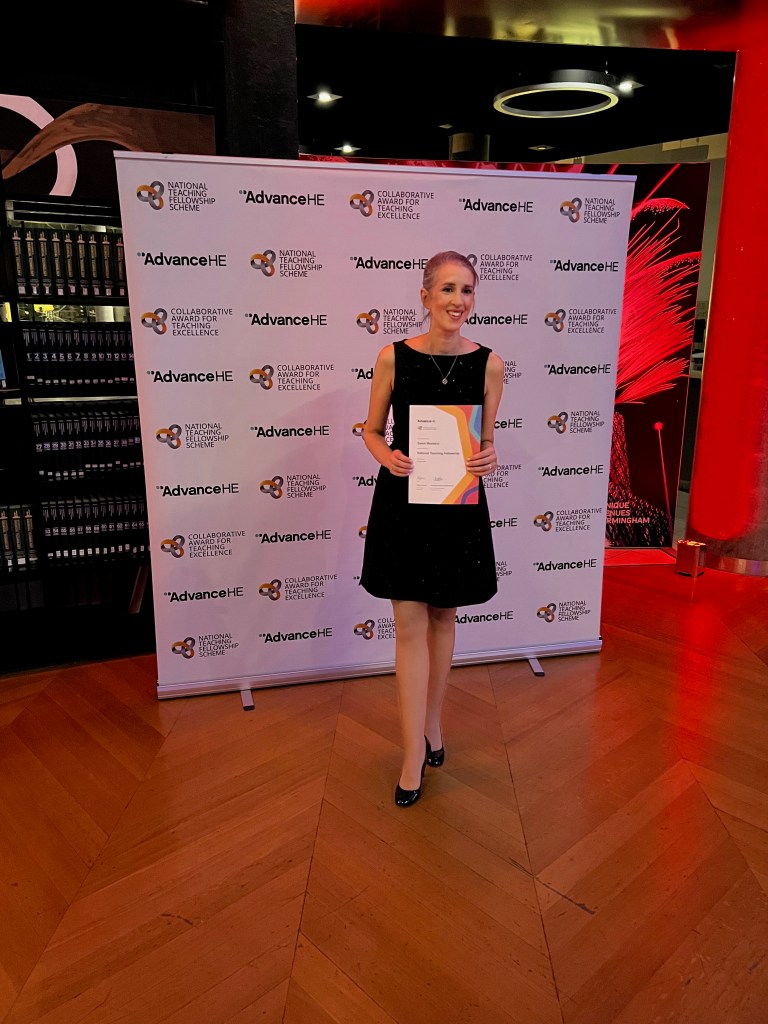
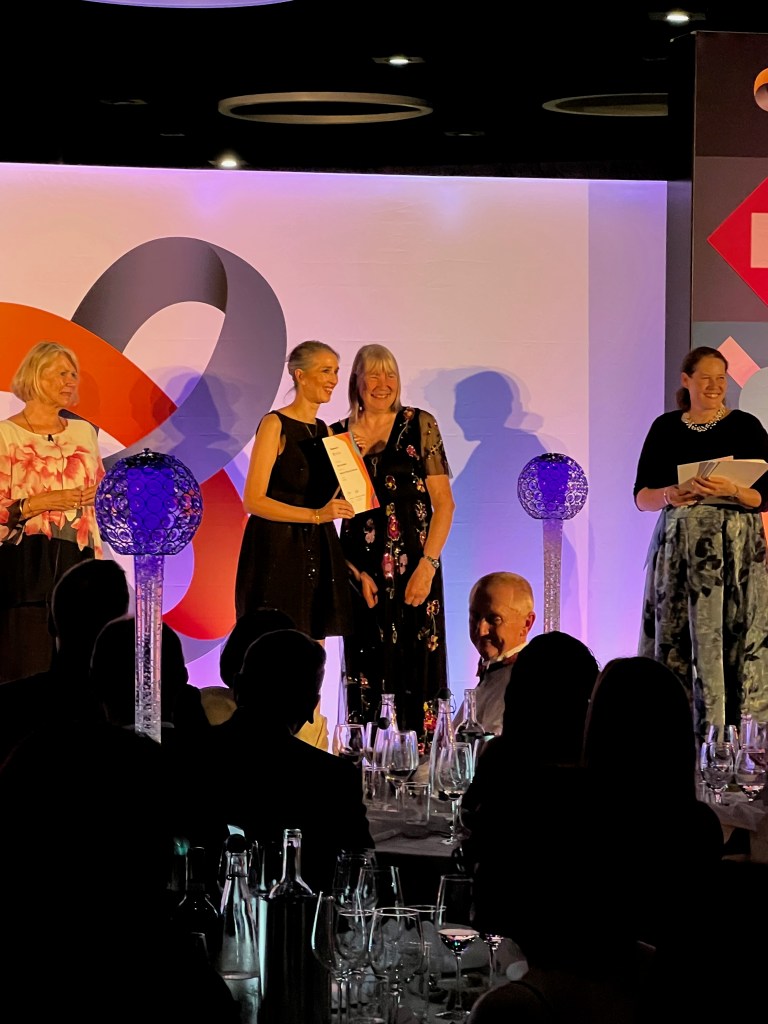
Sarah at the National Teaching Fellow Awards
I would never have imagined that when I started my academic career, I would have had the opportunities that I have had or attained such awards. I am a first-generation university student who found student life really difficult. When I became an academic, I reflected that these difficulties were due to how I acutely lacked social capital. This realisation inspired me to make my pedagogical philosophy to ensure equality of access and opportunity for students. I have been determined that students will have the education currency to thrive, no matter what their journey to university has been. Inspired by my first career in retail I have developed industry relevant authentic assessments and an experiential learning model that ensures that students have the employability skills needed to succeed in the Fourth Industrial Revolution. Most notably the so-called human skills of creativity and innovation. It is this drive to ensure that students will thrive that motivates me every day.
Sarah at the National Teaching Fellow Awards
In my current role as Birmingham Business School’s Director of Education, I am privileged to work with colleagues who also strive to innovate their education practice and create an inclusive environment where all students will succeed. The SRHE Fellowship reinforces the importance of excellence in education, and I am also delighted to be mentoring the next generation of educators.
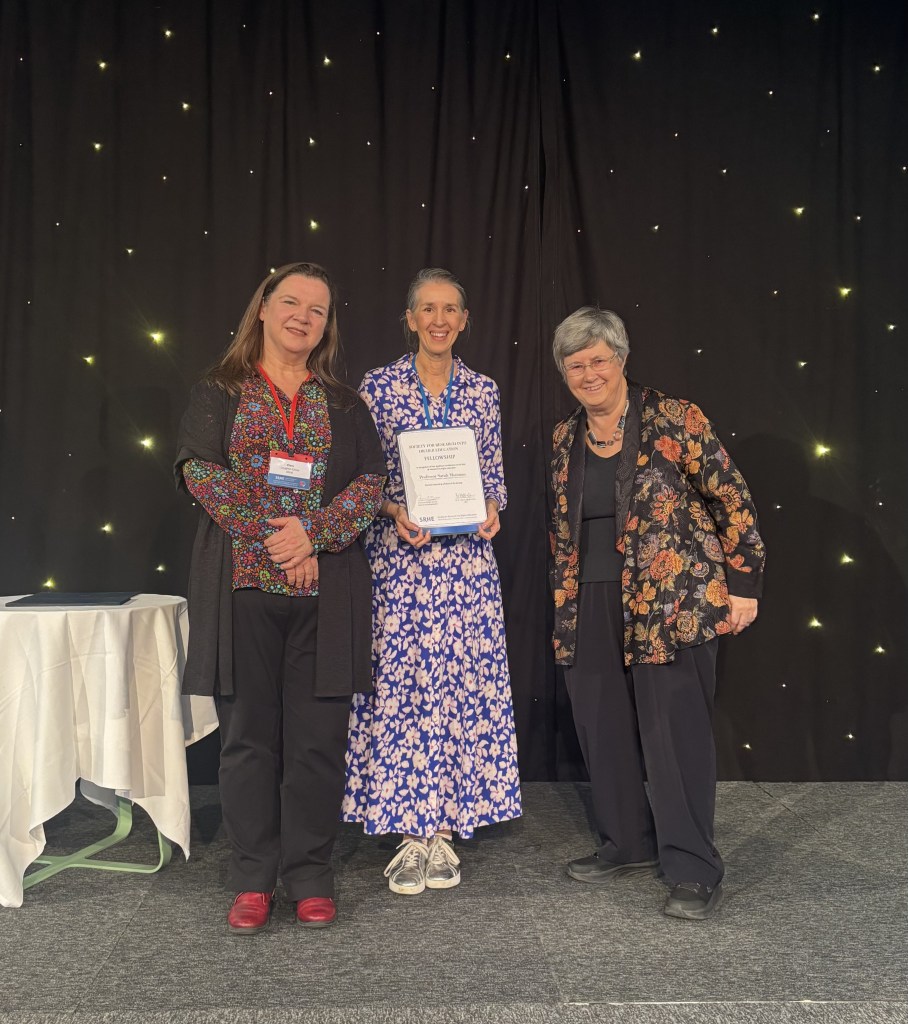
Sarah at the SRHE Fellowship award ceremony with Clare Loughlin-Chow and Pauline Kneale
Life can be strange at times and in 2023 on a Monday I found out I would be awarded a National Teaching Fellowship and on the Wednesday my promotion application to be a Professor was successful. That was not a bad week! To be in the esteemed company of my fellow 2023 NTF winners and the 2025 SRHE Fellows is almost like a dream. My fellow winners are quite incredible and what connects is that drive that education can be better – that despite the seismic challenges currently in HE, we are determined to make higher education a better place for students and academics alike. The challenges may be substantial, but that change is needed and that change can be achieved.
I am profoundly grateful to SRHE for giving me a home and support all those years ago and now an SRHE Fellowship. Looking forward to seeing what 2026 brings!
Sarah King reflects on the importance of developing human literacies in the age of AI, drawing from her engagement with a EUniWell-funded project that ran from 2019 to 2021.
We are entering a new phase of learning in the educational rollercoaster that is Generative AI. The early days — when enthusiastic adopters clashed with resolute sceptics and the rest of us hovered somewhere in-between, quietly hoping it might all just go away — are beginning to fade.
We are learning to live with AI, and to work with it in our personal and professional lives. I have used it to draw up travel plans, design flower beds in the garden, source festive presents and, let’s be honest, to avoid the blank-page frustration of knowing what I want to talk about in this blog but not quite knowing where to start.
As our confidence grows, we are also starting to talk about the transformational and longer-term impact that AI will have on education. This conversation is nothing new. In the 20 plus years I have worked in higher education there have been a number of these perceived “disruptors”: the emergence of the VLE in the early 2000s (my first institutional role was a Moodle Champion!), the explosion of MOOCs in the 2010s (which, for a short while, were predicted to signal the end of the university), and more recently, the Covid pandemic and the lessons we promised ourselves we had learned from the move online.
I think AI will be transformational but, perhaps, not (only) in the ways that we currently imagine. It will make us more efficient and more productive: it has helped me to summarise readings, draft lesson plans, and even design and build a website. But it will also give us a renewed focus on what it is to be human; it will reinforce the value of a campus university, and will create space for us to think creatively, to collaborate, to support and to empathise with one another. This, I think, is where the potential for real transformation lies.
The emphasis on the human dimensions of learning was a focus of a 2019 EUniWell-funded project that brought together heads of educational development at six, research-intensive universities: Birmingham, Semmelweis, Cologne, Linnaeus, Leiden and Nantes. Our project was centred on a changing educational landscape, where globalisation, interdisciplinarity, emerging digital tools, and evolving job markets were impacting on the way we design and deliver teaching. We were looking forwards, anticipating what the 4th Industrial Revolution might bring and we turned to a book, published in 2017 and entitled Robot-Proof: Higher Education in the Age of Artificial Intelligence, written by the President of Northeastern University, Joseph Aoun, and the concept of “human literacy”.
Our project, itself impacted by the consequences of the global pandemic, engaged students, staff, researchers and educational developers in international workshops, designed to stimulate conversations about teaching and learning in higher education. We identified four aspects of human literacy which we explored in detail: cross-cultural agility, interpersonal communication, critical thinking ability, and ethics. Each of the workshops highlighted various aspects of human interaction in relation to these themes and I have attempted to summarise what we talked about and learned and move that conversation forward to today.
Cross-cultural agility
We work in an increasingly global environment, and our students experience learning in increasingly diverse classrooms. We talked about being authentic, celebrating the unique characteristics that each of us bring to a learning environment, respecting our different beliefs and co-operating with each other. We talked about empathy and emotional intelligence, the ability to be flexible and to compromise. Above all, we prioritised a need to be curious, to learn from one another and remove the obstacles (perceived or otherwise) that hold us back.
These essential human skills are more valuable than ever, and our diverse classrooms become the perfect vehicle for developing them. AI might remove some of those obstacles, helping with language barriers or scaffolding conversations, but it can’t offer an emotional response, or contribute its own lived history, and it hasn’t experienced difference, privilege or discrimination.
Interpersonal Communication
This aspect of human literacy focussed on belonging, which became core to our conversations as our project progressed throughout the pandemic. We talked about how communication could foster a sense of belonging but needed to be nurtured through teaching design that gave opportunities for that communication to happen. We talked about the value of meaningful dialogue that is inclusive and collaborative, and we recognised that these skills are not always developed intuitively but have to be learned.
AI can help us to draft emails, prepare meeting notes, translate complex ideas into digestible concepts, but it is not thinking. It doesn’t share our friendships or our lived experiences. A campus university can build a sense of belonging, gradually developing relationships, trust and confidence through interpersonal communication inside and outside our classrooms.
Critical Thinking
Our conversations recognised that knowledge was everywhere and the role of education was evolving to prioritise creativity, problem-solving, and critical thinking. We reflected on disciplinary differences, and we wondered whether critical thinking was something fostered in students rather than explicitly taught. We began to focus on experience as a tool for learning, a well-established principle, but one that might take on a renewed importance in a digitised landscape.
The skill of critical thinking, long valued in higher education, can be supported but not replaced by AI. AI can summarise large volumes of text, look for patterns or gaps, even offer different viewpoints, but it can’t assess credibility, or spot bias, or make nuanced judgments about evidence. It can’t reflect, critically or otherwise in a way that challenges assumptions, or motivations.
Ethics
Our final theme was ethics, and how we can develop moral individuals, who recognise their personal responsibilities within society, challenge ignorance and embrace different approaches and solutions. This linked us back to culture and persuaded us that a continual conversation and reflection on how the digital environment is impacting on our private, social and professional lives is key to helping us navigate the opportunities and challenges that are offered by a digital transformation.
This last area of discussion was, and perhaps remains, the most important. Universities provide the space for us to explore ethical dilemmas, take responsibility for our learning and our actions, develop empathy and moral judgment and act on it. AI can help us to articulate these attributes, but not to embody them. That is a human endeavour. I am optimistic that these human literacies will help us to navigate the next phase of AI development. I’m also persuaded that the answers to some of our challenges lie in well-established educational practice and so what we might experience is a quiet transformation, that reinvigorates what we know as good teaching. The principles of inclusive learning: ensuring students feel valued, promoting open dialogue, including diverse perspectives, designing in flexible ways to engage, being clear and consistent in our communication – all of these foster belonging, support cultural agility and help us to communicate with one another. The benefits of group work: encouraging students to work together, embracing different viewpoints, reflecting on our strengths and weaknesses, learning how to collaborate effectively on authentic tasks – these develop communication skills, critical thinking and ethical practice. Active learning, where students are discussing, questioning, reflecting and problem-solving brings all this together to help them to develop the human-centred qualities that we are going to need in the years ahead.
Sarah King is the Assistant Director, Teaching and Learning Development at the University of Birmingham.