
This is part of a series of posts celebrating the champions of our institutional Advance HE fellowship recognition scheme, Beacon. Beacon has awarded more than 1000 fellowships since its launch in 2015. Beacon is led by Marios Hadjianastasis and Jamie Morris.
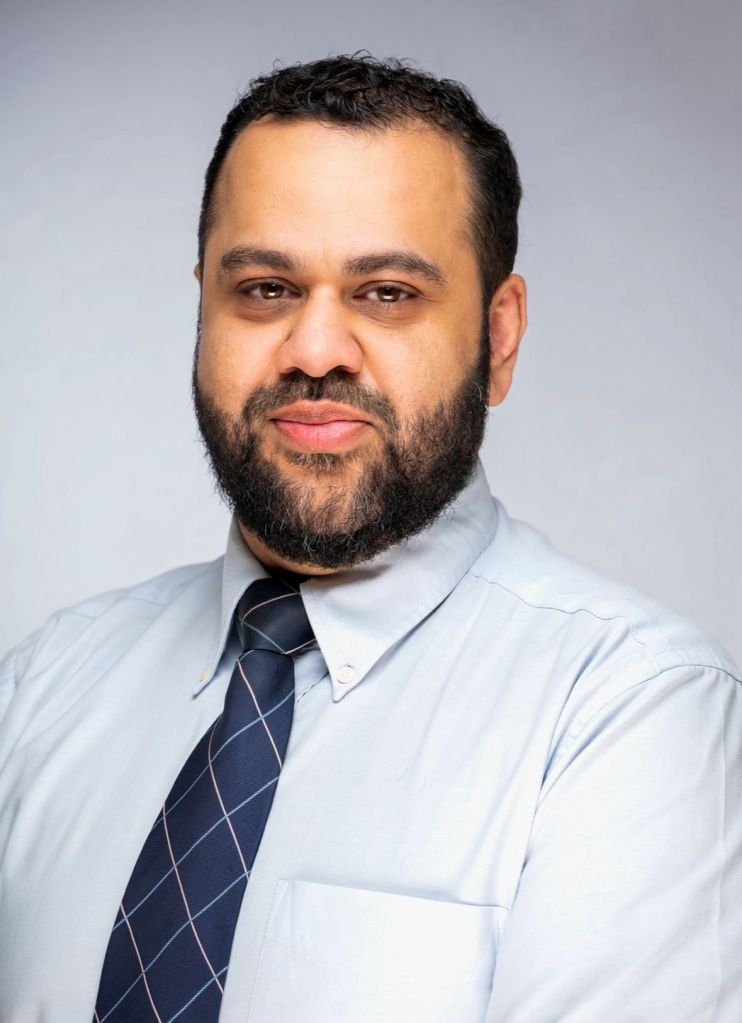
Dr Asim Bashir is a Teaching Fellow in English for Academic Purposes at University of Birmingham Dubai. Asim has been working with the Beacon team as a Dubai champion, promoting the Beacon scheme and supporting and mentoring colleagues in Dubai applying for fellowship, especially Senior Fellowship. Asim has also been mentoring and assessing with the Beacon team more widely.
What have you been doing in your context to support Beacon fellowship and recognition?
At the University of Birmingham Dubai, I have worked to make fellowship and professional recognition a visible and valued part of our academic culture. I designed and delivered workshops that unpack the Professional Standards Framework in an accessible way, helping colleagues see how their everyday teaching already reflects the principles of good teaching, leadership, and scholarship. These sessions focus on reflection and practical examples, encouraging colleagues to view fellowship as an opportunity for growth rather than a formal exercise. Alongside this, I mentor colleagues across career stages on their Associate, Fellow, and Senior Fellowship applications, creating a supportive environment for open discussion and reflection. As a panel member of the Advance HE Gulf Network, I also share insights from our Dubai initiatives and learn from regional partners, ensuring that our approach remains both globally informed and locally relevant.
How did you get people on board?
When I first started promoting fellowship, there was hesitation. Many colleagues saw it as a bureaucratic task rather than a developmental opportunity. To change this perception, I introduced short, informal “fellowship conversations”, where we discussed what effective teaching looks like in our context and how this aligns with the PSF. I also shared my own Senior Fellowship journey and encouraged colleagues to tell their stories. These narratives helped demystify the process and shifted the tone from evaluation to reflection. As more staff achieved recognition and shared their experiences, interest grew naturally. My involvement with the Advance HE Gulf Network also reinforced that we are part of a wider professional community where fellowship is a shared, evolving practice.
Why do you do it?
Supporting others through fellowship captures what I believe leadership in education should be: helping others reflect, grow, and connect. Every mentoring session or workshop becomes a shared learning experience, deepening both my own understanding and that of colleagues. As a Senior Fellow, I see this as a responsibility, not an optional extra. Senior Fellowship means giving back, developing others, nurturing reflective practice, and contributing to the wider education community. This work reminds me that recognition is not about status but about creating a culture where reflection and support become normal practice.
What does having fellowship mean for your local teaching culture?
Fellowship provides colleagues a shared framework for discussing learning and teaching. It has encouraged staff to see teaching as a reflective, evidence-based practice that evolves through collaboration. A mentoring network has also emerged, where Fellows and Senior Fellows now guide others through the process, creating a cycle of support and shared learning. For many, including myself, SFHEA represents a commitment to developing others and contributing to collective growth. I remind colleagues that Senior Fellowship is not the end of the journey but the beginning of a new phase of leadership, one where our success is measured by how we help others succeed.
Tell us what was a ‘warm-glow’ moment for you?
A warm-glow moment for me comes from reading colleagues’ LinkedIn posts sharing their fellowship success and reflections on the mentoring support they received. Seeing their confidence grow and their voices strengthen in the professional community is deeply rewarding. Another memorable moment was speaking at the Advance HE Gulf Network event on recognition cultures in international campuses. Hearing other universities express interest in adapting our mentoring model confirmed the wider value of our work. These moments remind me that the joy of fellowship lies in transformation, the point where reflection becomes identity and identity becomes leadership.
How can we better celebrate these achievements?
We can celebrate better by sharing stories more widely. Fellowship achievements should not remain in records but be visible and inspiring. Recently, I invited a newly recognised Senior Fellow to deliver a workshop about their journey from start to finish. Their honest discussion of challenges and breakthroughs made the process real and relatable. It showed how peer-led storytelling can demystify fellowship and motivate others. We also share reflections through newsletters and campus events, highlighting how colleagues apply what they learned. Leadership support is vital too, linking recognition to priorities such as AI readiness, inclusivity, and innovation. Above all, celebration should value the reflective process itself, not just the outcome.
A final thought
The Beacon initiative represents the best kind of professional learning, reflective, collaborative, and purposeful. As a Senior Fellow, I believe recognition comes with responsibility: to mentor, advocate, and give back to the sector. My engagement with the Advance HE Gulf Network reinforces that this is a shared endeavour across the region, where educators are building reflective, connected communities of practice. Fellowship, at its best, is not a reward but a commitment, to curiosity, generosity, and continuous learning.
 Education in Practice Network
Leave a comment