
This is part of a series of posts celebrating the champions of our institutional Advance HE fellowship recognition scheme, Beacon. Beacon has awarded more than 1000 fellowships since its launch in 2015. Beacon is led by Marios Hadjianastasis and Jamie Morris.
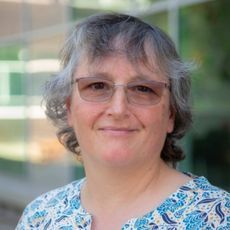
Dr Julia Lodge is a Reader in the School of Biosciences at the University of Birmingham. Julia has contributed greatly to the scheme as an assessor and mentor for applicants, especially PGR students who teach in Biosciences as postgraduate teaching assistants (PGTAs). This is an important step in the recognition and employability prospects of doctoral students at UoB.
What have you been doing in your context to support Beacon fellowship and recognition?
Practical Laboratory classes are fundamental to the way that Biosciences is taught. They allow our students to develop essential practical skills but are also an opportunity for them to develop as scientists as they apply knowledge and discuss their ideas with others. Post Graduate Teaching Assistants are essential to delivering this important plank of our teaching.
When I took on the role of PGTA coordinator for the School of Biosciences I looked for ways to provide continuing professional development for our PGTAs beyond the initial training that they do before taking on the role. The Beacon fellowship programme has proved to be a very effective way of doing this as it gives PGTAs an opportunity for formal recognition for the teaching that they do and encourages them to develop themselves as reflective practitioners from an early stage of their careers.
How did you get people on board?
I support the Beacon scheme by working proactively to encourage PGTAs to apply for Associate Fellow of the HEA. Together with colleagues from the Beacon programme I hold bespoke Beacon Orientation Workshops for PGTAs who are interested in applying. I think that these workshops are particularly effective because I have a good overview of the work that they do and can advise about how to use their specific experience to evidence an application. They also provide a good opportunity for peer support.
I also make a point of celebrating successful applicants making sure that their achievement is recognised in School communications and on our social media.
Why do you do it? What does having fellowship mean for your local teaching culture?
I think that engagement with the Beacon programme is a key driver of the increased professionalism that we have seen amongst our PGTAs. They see that their work is recognised and valued beyond the specific class that they are supporting. The reflective approach that the application requires also develops their understanding of themselves as educators; I think sometimes they don’t understand what a good job they do until they write about it.
What was a ‘warm-glow’ moment for you?
My warm glow moments are when I read the thoughtful and reflective applications from PGTAs who I have watched develop as educators over two or three years of working with us in labs and workshops.
 Education in Practice Network
Leave a comment